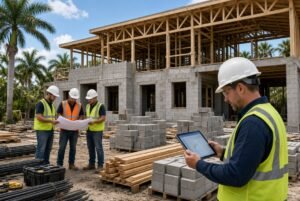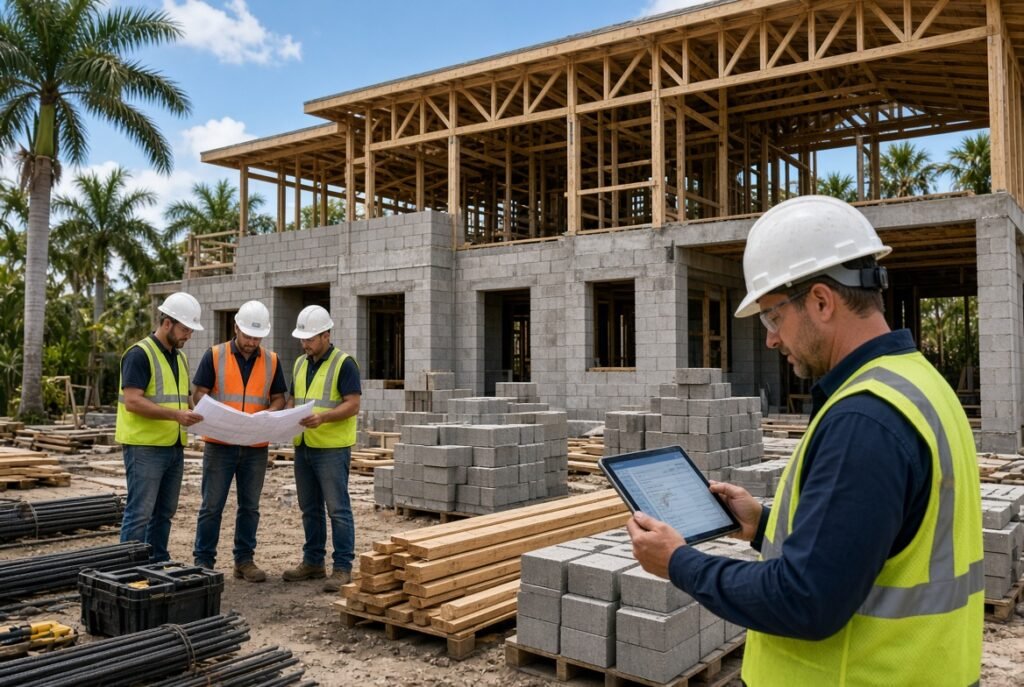
Building a new home in Florida requires careful financial planning. From land preparation and foundation work to roofing, electrical systems, and interior finishes, every construction stage contributes to the final residential construction cost. Understanding these expenses before starting a project helps homeowners, builders, and contractors avoid budget problems and make better decisions.
Florida also has unique construction requirements because of hurricanes, coastal conditions, flood risks, and local building regulations. These factors can make residential construction costs different from those in other states. This guide explains the major expenses involved in building a home and how accurate construction cost estimating can help manage your budget.
What Affects Residential Construction Cost in Florida?
The total cost of building a residential property depends on several factors. Two homes with similar square footage can have significantly different budgets because of their location, design, materials, and construction requirements.
1. Home Size and Design
The size of a home is one of the most important cost factors. Larger houses generally require more concrete, framing, roofing, insulation, drywall, flooring, and mechanical systems. Complex architectural designs, multiple stories, custom layouts, and special features can also increase labor and material expenses.
2. Construction Materials
Material selection has a direct impact on the overall construction budget. Concrete blocks, lumber, steel, roofing materials, windows, doors, insulation, and finishing products all contribute to project expenses. Premium materials and custom finishes usually require a larger investment than standard options.
3. Labor and Subcontractor Costs
Residential projects involve several skilled trades, including concrete contractors, framers, roofers, electricians, plumbers, HVAC technicians, painters, and flooring installers. Labor rates can vary by location, trade availability, project complexity, and construction schedule.
4. Location and Site Conditions
Construction costs can vary across Miami, Orlando, Tampa, Jacksonville, Naples, and other Florida markets. Soil conditions, accessibility, drainage requirements, transportation, and local supplier prices can influence the final budget.
Major Residential Construction Cost Components
A reliable home construction budget should include all major project stages rather than focusing only on the building’s structure.
Site Preparation and Foundation
Before construction begins, the property may require clearing, grading, excavation, soil preparation, drainage work, and utility connections. Foundation expenses depend on soil conditions, structural design, slab requirements, and any additional engineering work.
Framing and Structural Work
Structural expenses include concrete, reinforcement, masonry, lumber, steel, roof trusses, and other framing materials. Florida homes may use concrete masonry unit (CMU) construction or wood framing, depending on the design and project requirements. Each system has different material, labor, and installation considerations.
Roofing, Windows, and Exterior Finishes
Roofing systems, exterior walls, stucco, siding, doors, and windows are important budget categories. Florida’s wind and hurricane exposure makes product selection and installation requirements particularly important.
In certain areas, including High-Velocity Hurricane Zones (HVHZ), additional requirements can affect approved products, window systems, roof assemblies, and installation details. These expenses should be considered during early estimating instead of being added after construction begins.
Electrical, Plumbing, and HVAC Systems
Mechanical, electrical, and plumbing (MEP) work includes wiring, outlets, lighting, plumbing fixtures, water supply lines, drainage, air conditioning equipment, ductwork, and ventilation. The size of the house, number of bathrooms, equipment selection, and system design influence these costs.
Interior Finishes
Interior finishing can include drywall, flooring, cabinets, countertops, painting, tile, doors, trim, lighting fixtures, and bathroom fittings. Custom finishes and premium products can increase the budget considerably, making accurate quantity measurements essential.
How Florida Building Requirements Affect Construction Costs
Florida construction projects must follow applicable building codes and local regulations. Wind loads, flood hazards, structural design, and approved building products can affect material specifications and installation costs.
For properties located in flood hazard areas, elevation requirements and foundation design may influence the construction budget. Coastal projects may also require additional attention to wind-resistant windows, roofing systems, and exterior components.
Building permit expenses should also be included in the project budget. Fees and approval requirements vary by jurisdiction, project type, and estimated construction value. For this reason, builders should check the requirements of the local building department before finalizing their estimates.
How to Calculate Residential Construction Cost
A practical residential construction estimate starts by identifying every work item and calculating its required quantity.
The general estimating formula is:
Total Construction Cost = Material Cost + Labor Cost + Equipment Cost + Subcontractor Cost + Additional Project Expenses
For example, assume a residential project requires 1,200 square feet of flooring. If the estimated material and installation allowance is $8 per square foot, the preliminary flooring budget would be:
1,200 sq. ft. × $8 = $9,600
This is an illustrative calculation, not a current Florida market price. Actual costs depend on flooring selection, installation conditions, waste, labor rates, and supplier quotations.
The same approach can be applied to concrete, drywall, roofing, painting, framing, and other construction activities. A detailed quantity takeoff helps ensure that the estimate reflects the actual project scope.
Common Mistakes That Increase Residential Construction Costs
Poor planning and incomplete estimates can create expensive problems during construction. Some common mistakes include:
- Ignoring site conditions: Underestimating excavation, drainage, soil preparation, or utility work can create unexpected expenses.
- Using outdated prices: Material and labor prices can change, so estimates should use current, location-specific information.
- Missing construction quantities: Incorrect measurements can result in material shortages, excess purchases, and additional labor.
- Overlooking permits and code requirements: Missing required approvals or product specifications can lead to delays and additional costs.
- Forgetting contingency allowances: Unexpected site conditions, design changes, and price fluctuations can affect the original budget.
A well-organized estimate should clearly identify inclusions, exclusions, allowances, and assumptions before construction starts.
Why Professional Residential Construction Cost Estimating Matters
Professional estimating helps contractors, builders, developers, and property owners understand the financial requirements of a residential project. Instead of relying on rough calculations, estimators review construction drawings and specifications to measure quantities and calculate project expenses.
Florida Construction Estimating Services provides residential construction estimating and quantity takeoff support for projects throughout Florida. Our estimating process considers project scope, local pricing, materials, labor, and relevant construction requirements.
Detailed estimates can include:
- Material, labor, and equipment cost breakdowns
- Digital quantity and material takeoffs
- Concrete, framing, roofing, drywall, and finishing quantities
- Electrical, plumbing, and HVAC estimating
- Marked-up drawings and organized Excel estimates
- Written assumptions, exclusions, and scope details
Whether you are planning a custom home, a residential addition, or a complete renovation, accurate estimating can help you prepare a more realistic construction budget.
Plan Your Residential Construction Budget with Confidence
Understanding residential construction cost is an important step toward completing a successful building project. Material selection, labor rates, site conditions, structural requirements, and local regulations all influence the final investment.
A detailed estimate helps identify expenses early, reduce missing quantities, and improve financial planning. If you are preparing a residential construction project in Florida, Florida Construction Estimating Services can help you evaluate your drawings and develop a clear, organized cost estimate.
Visit Florida Construction Estimating Services to learn more about our estimating solutions or request a free quote for your project.