
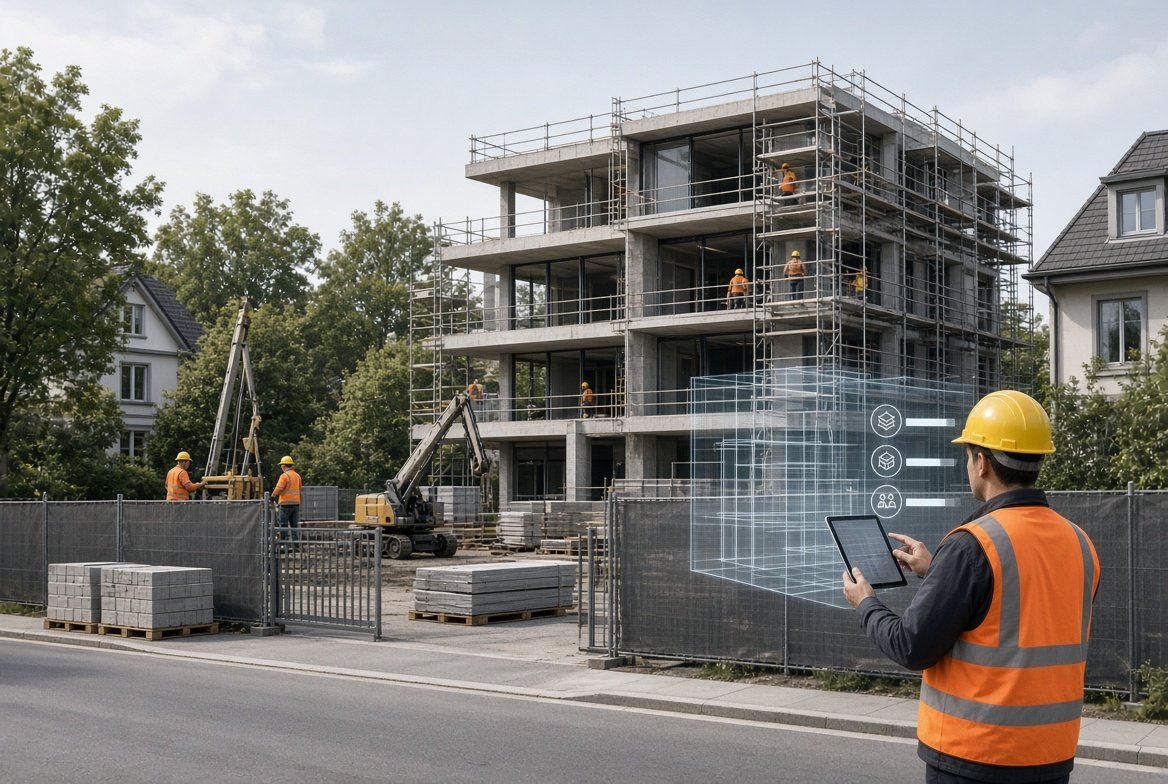
Stealth Construction: A Complete Guide to Modern, Discreet Construction Projects
Stealth construction is an emerging approach to construction project planning and execution that focuses on discreet development, minimal disruption, careful project management, and efficient coordination. While the term can mean different things depending on the project, it generally describes construction work carried out with a strong emphasis on privacy, low visibility, controlled access, and reduced impact on surrounding properties or operations.
For property owners, developers, contractors, and investors, understanding stealth construction can help improve project planning, reduce unnecessary attention, and maintain better control over the construction process. This guide explains what stealth construction means, how it works, its benefits, and what factors should be considered before starting a project.
What Is Stealth Construction?
Stealth construction refers to construction projects designed and managed in a way that keeps disruption, visibility, noise, and unnecessary exposure to a minimum.
Unlike conventional construction projects where large crews, equipment, material deliveries, and visible activity may be common, stealth construction emphasizes strategic scheduling, controlled site access, organized material handling, and efficient construction methods.
Stealth construction does not mean ignoring building codes, permits, safety requirements, zoning regulations, or inspections. Instead, it focuses on completing legitimate construction work efficiently and discreetly while remaining compliant with all applicable regulations.
This approach can be particularly useful for projects located in occupied neighborhoods, commercial areas, sensitive properties, or locations where maintaining normal operations is important.
How Does Stealth Construction Work?
Successful stealth construction begins with detailed planning. Before construction starts, project stakeholders typically evaluate the site, construction schedule, material requirements, labor needs, access points, and potential sources of disruption.
A carefully developed plan can help determine:
- When workers should access the site
- How construction materials will be delivered
- Where equipment should be positioned
- How noise and dust can be minimized
- How waste should be removed
- Which construction activities should happen first
- How communication between contractors and stakeholders will be managed
The goal is to make the construction process more predictable and organized.
Technology can also play an important role. Digital project management platforms, construction estimating software, scheduling tools, remote communication, and building information modeling (BIM) can help teams coordinate activities without requiring unnecessary meetings or site visits.
Key Benefits of Stealth Construction
1. Reduced Disruption
One of the biggest advantages of stealth construction is reduced disruption to surrounding properties and ongoing operations.
For example, construction near an occupied office, residential property, or operating business can create noise, traffic, dust, and access problems. A discreet construction strategy can help minimize these issues through better scheduling and site management.
2. Better Project Organization
Stealth construction requires detailed coordination. Because site activity needs to be carefully managed, contractors often need a clear understanding of labor requirements, materials, equipment, and project timelines.
This level of organization can help reduce delays and improve overall project efficiency.
3. Improved Privacy
Some property owners and developers prefer to keep construction activities private for legitimate business or personal reasons.
A controlled construction site can limit unnecessary access and reduce the amount of information publicly visible about a project. However, privacy should always be maintained within legal and regulatory requirements.
4. Lower Impact on Surrounding Areas
Construction can affect neighbors through noise, dust, traffic, and temporary changes to access. Stealth construction strategies can reduce these effects by using appropriate working hours, organized deliveries, dust-control measures, and efficient site logistics.
5. More Efficient Scheduling
A well-planned stealth construction project typically depends on precise scheduling.
Materials, workers, subcontractors, and equipment need to arrive when they are actually required. This can reduce unnecessary waiting time and prevent the site from becoming overcrowded.
Stealth Construction and Construction Estimating
Accurate construction estimating is especially important for discreet construction projects.
When project schedules are tightly coordinated, unexpected costs can create significant problems. An accurate estimate should account for labor, materials, equipment, subcontractors, permits, site preparation, waste management, and other project expenses.
A professional construction estimate can help project owners understand the expected cost before construction begins.
Estimators may prepare detailed quantity takeoffs and cost breakdowns based on architectural drawings, specifications, and project requirements. This allows contractors and owners to identify potential cost issues early.
For complex projects, construction estimating can also help compare different materials, construction methods, and scheduling strategies.
Role of Technology in Stealth Construction
Modern construction technology makes discreet and efficient project management easier.
Building Information Modeling (BIM), cloud-based project management platforms, digital takeoff software, drone technology, and remote communication tools can improve coordination between project participants.
For example, BIM can help project teams visualize building components before construction begins. Digital estimating software can speed up quantity takeoffs and cost calculations, while cloud-based platforms allow contractors, architects, and owners to share project information quickly.
The right technology can reduce unnecessary site visits and improve communication without compromising construction quality.
Challenges of Stealth Construction
Although stealth construction offers several benefits, it also comes with challenges.
One major challenge is logistics. Limited access, restricted delivery times, small work areas, or occupied surroundings can make material handling more difficult.
Another challenge is cost. Specialized scheduling, additional planning, smaller delivery batches, or certain low-disruption construction methods may increase project expenses.
Communication is also critical. When fewer people are physically present on-site, project managers need reliable communication systems to ensure that everyone understands the current schedule and responsibilities.
Finally, all construction activities must comply with applicable building codes, permits, safety standards, environmental requirements, and local regulations.
Is Stealth Construction Suitable for Every Project?
Not necessarily.
Stealth construction is most useful when minimizing disruption, controlling site activity, or maintaining privacy is an important project objective.
It may be suitable for:
- Residential renovations
- Commercial property improvements
- Occupied buildings
- Sensitive development sites
- High-value properties
- Projects in densely populated areas
- Construction near active businesses
- Phased renovation projects
The best approach depends on the project’s location, size, budget, timeline, and regulatory requirements.
How to Plan a Successful Stealth Construction Project
The first step is to define the project’s objectives. Property owners should determine what needs to remain operational, what level of disruption is acceptable, and what restrictions exist at the site.
Next, the project team should develop a realistic construction schedule. This should include labor, deliveries, inspections, subcontractors, equipment, and major milestones.
Accurate estimating should follow. Understanding the expected project cost can help prevent budget problems later.
The team should also establish clear site-access procedures and communication protocols. Everyone involved should understand when and where work will occur.
Finally, the project should be monitored throughout construction. Regular progress reviews can identify delays, cost changes, or logistical issues before they become major problems.
Final Thoughts on Stealth Construction
Stealth construction is not simply about making a construction project invisible. It is about strategic planning, controlled site management, reduced disruption, efficient scheduling, and responsible execution.
For property owners and contractors, the approach can provide valuable advantages when construction needs to take place in sensitive, occupied, or highly active environments.
However, successful stealth construction depends on careful estimating, experienced project management, proper scheduling, effective communication, and full compliance with construction regulations.
As construction technology continues to develop, more contractors and property owners may adopt discreet and highly coordinated construction strategies to improve efficiency while reducing the impact of building activity on surrounding environments.